
Let’s start with a conversation.
Different Teams carry different kinds of coordination, participation, communication, and continuity challenges over time.
OUR DC helps Teams recognize what people are carrying so teamwork becomes easier to support together across people and time.
Let’s talk about what your Team is working on right now and explore what kinds of support may help reinforce your teamwork.
What can we help with?
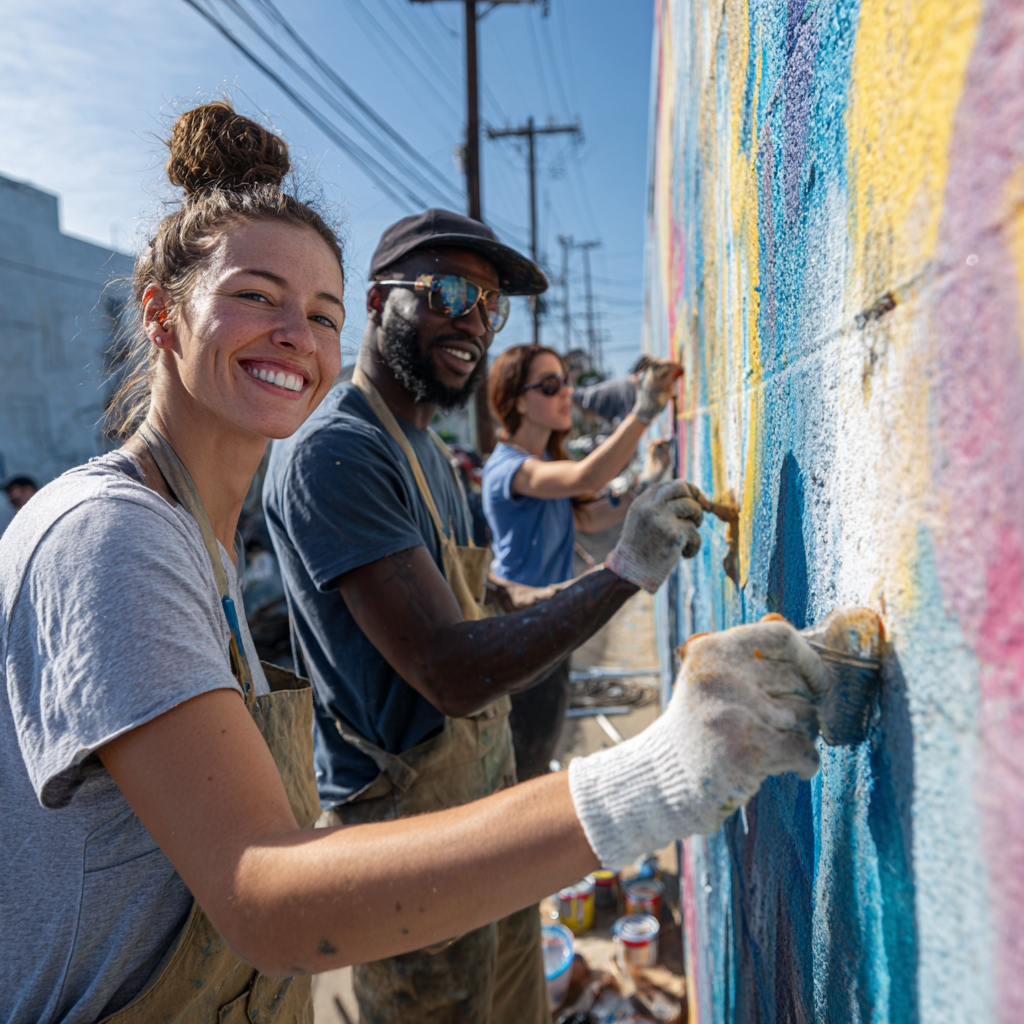
Different Teams need different kinds of support depending on their goals, responsibilities, relationships, and current conditions.
Some Teams are looking for better ways to recognize participation and coordination together. Others are looking for Team Training, Teamwork Apps, facilitation support, or stronger operational continuity over time.
Who we work with
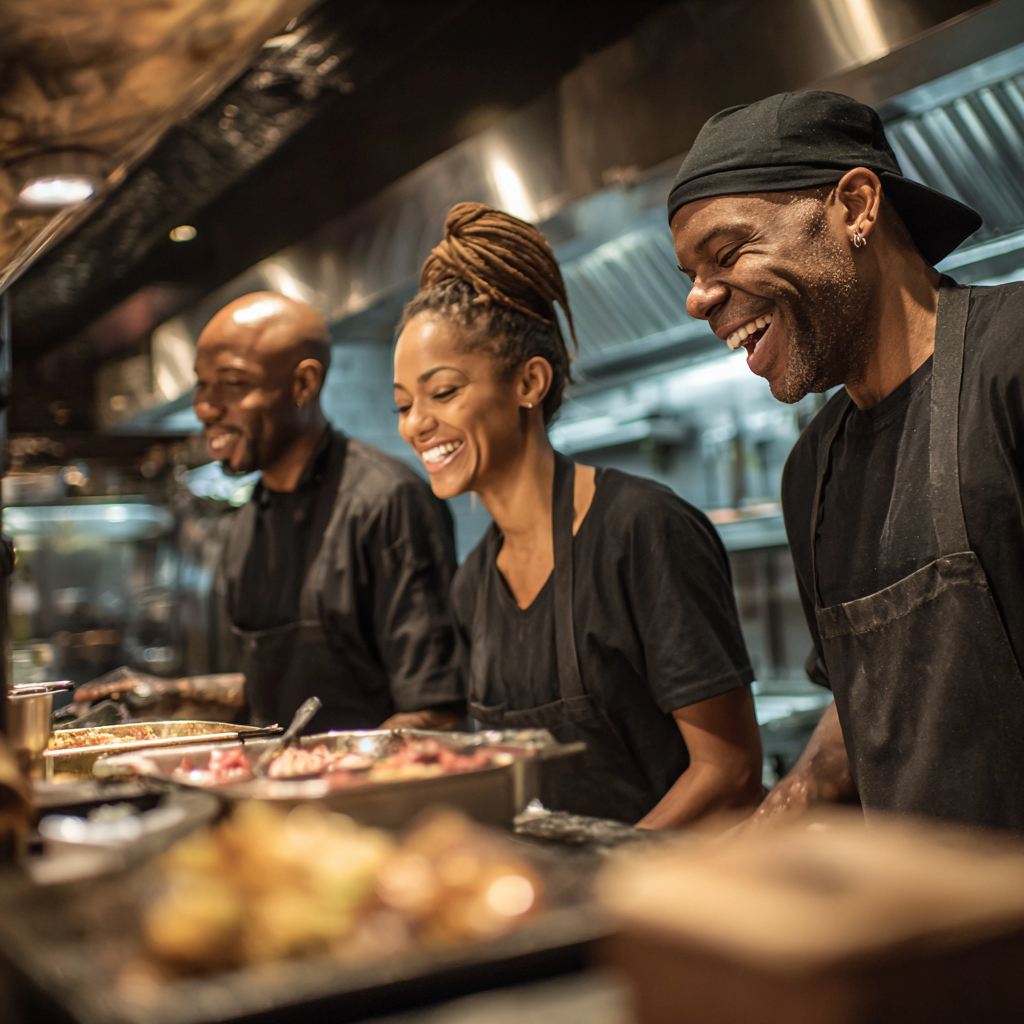
OUR DC supports many different kinds of Teams built around shared life, ongoing work, and community coordination. This includes:
Resident Teams
Staff Teams
Leadership Teams
Coalition Teams
Government Teams
And many other forms of shared teamwork.
Different Teams carry different kinds of coordination over time.
What happens next?
After you reach out, we’ll usually:
learn more about your Team,
understand what your Team is carrying,
talk through current coordination challenges and goals,
and explore what kinds of support may help reinforce your teamwork together.
Frequently Asked Questions

-
OUR DC is a Team Building organization that supports many different kinds of Teams coordinating shared life, shared work, and shared responsibilities together over time.
This includes:
residents,
organizations,
staff teams,
coalitions,
leadership teams,
partnerships,
community groups,
government teams,
and Teams Getting Started.
Different Teams carry different kinds of coordination. Teamwork is People Power.
-
No.
Many Teams are still figuring out what kinds of support, coordination practices, training, or tools may help most right now.
Some Teams begin with a Quick Team Check. Others begin with Team Training, Teamwork Apps, or a general conversation about what their Team is carrying together.
Part of the conversation is helping make the next steps clearer together.
-
OUR DC is primarily a Team Building organization.
We support Teams in different ways depending on what they are carrying and what kinds of coordination support may help most right now.
This can include:
Quick Team Checks,
Team Training,
Team Building Guides,
Teamwork Apps,
facilitation,
and ongoing coordination support.
The goal is helping Teams recognize, organize, and support important teamwork together across people and time.
-
Yes.
Many Teams using OUR DC are small, informal, early-stage, or community-based Teams coordinating shared life or shared work together.
This can include:
households,
resident groups,
organizing teams,
project teams,
mutual aid groups,
partnerships,
and Teams Getting Started.
Teamwork matters anywhere people are trying to coordinate responsibilities together over time.
-
Yes.
OUR DC offers Team Training Workshops, Team Building Guides, facilitated Teamwork support, and other forms of Team development support depending on the needs of the Team.
Different Teams use Team Training differently depending on:
their goals,
responsibilities,
participation structure,
and current conditions.
The goal is helping Teams work better together under real conditions and real pressures.
-
We’ll usually:
learn more about your Team,
understand what your Team is carrying,
talk through current coordination challenges and goals,
and explore what kinds of support may help reinforce your teamwork together.
Some Teams begin with a Quick Team Check. Others begin with Team Training, Teamwork Apps, or ongoing coordination support depending on their current needs and priorities.